
// 00Insights · Lualdi Advisors · Field Notes

INSIGHTS

Doctrine · Worked Examples · Field Reports

Research notes from the firm.

A working journal from the practice — essays on decision engineering, AI for operations, commodity intelligence, and the discipline of running quantitative systems in production. Updated as the work demands.

// Insights
// 02Archive

All notes.

· Strategy · 14 min read

Destinus integrates Hivemind AI into its Ruta cruise missile for Ukraine

Destinus is integrating Shield AI's Hivemind autonomous AI pilot into its Ruta cruise missile for deployment in Ukraine — pairing US autonomous warfare software with a European-manufactured cruise missile in the most operationally concrete test of AI-driven collaborative strike in an active conflict. The collaboration compresses what would be a peacetime decade of development and certification into months, using Ukraine's operational urgency as both the validation environment and the first customer.

Read the note
· Research · 15 min read

Battery-free solar fuels: a self-regulating electrolyzer that handles variable light

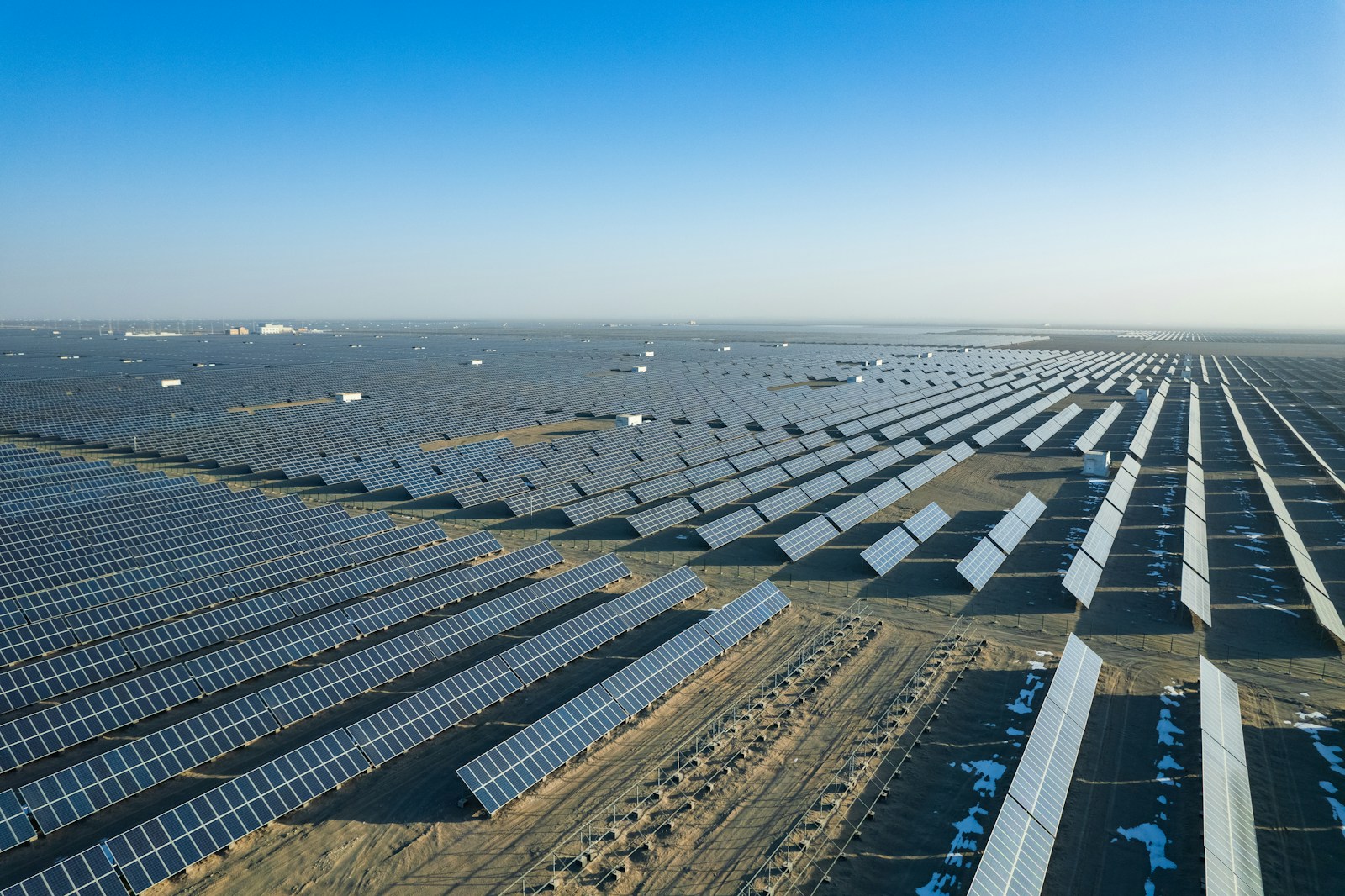
Artificial photosynthesis has long been constrained by a mismatch between variable sunlight and the stable conditions that electrochemical fuel production requires — a gap typically bridged by batteries that add cost and system losses. A new self-regulating electrolyzer design removes the battery buffer entirely, producing solar fuels consistently as light intensity changes throughout the day and reframing the direct solar-to-fuel economics that have kept the technology behind grid-connected electrolysis.

Read the note
· Research · 15 min read

Betavolt's nuclear micro-cell and the 50-year power case for betavoltaic batteries

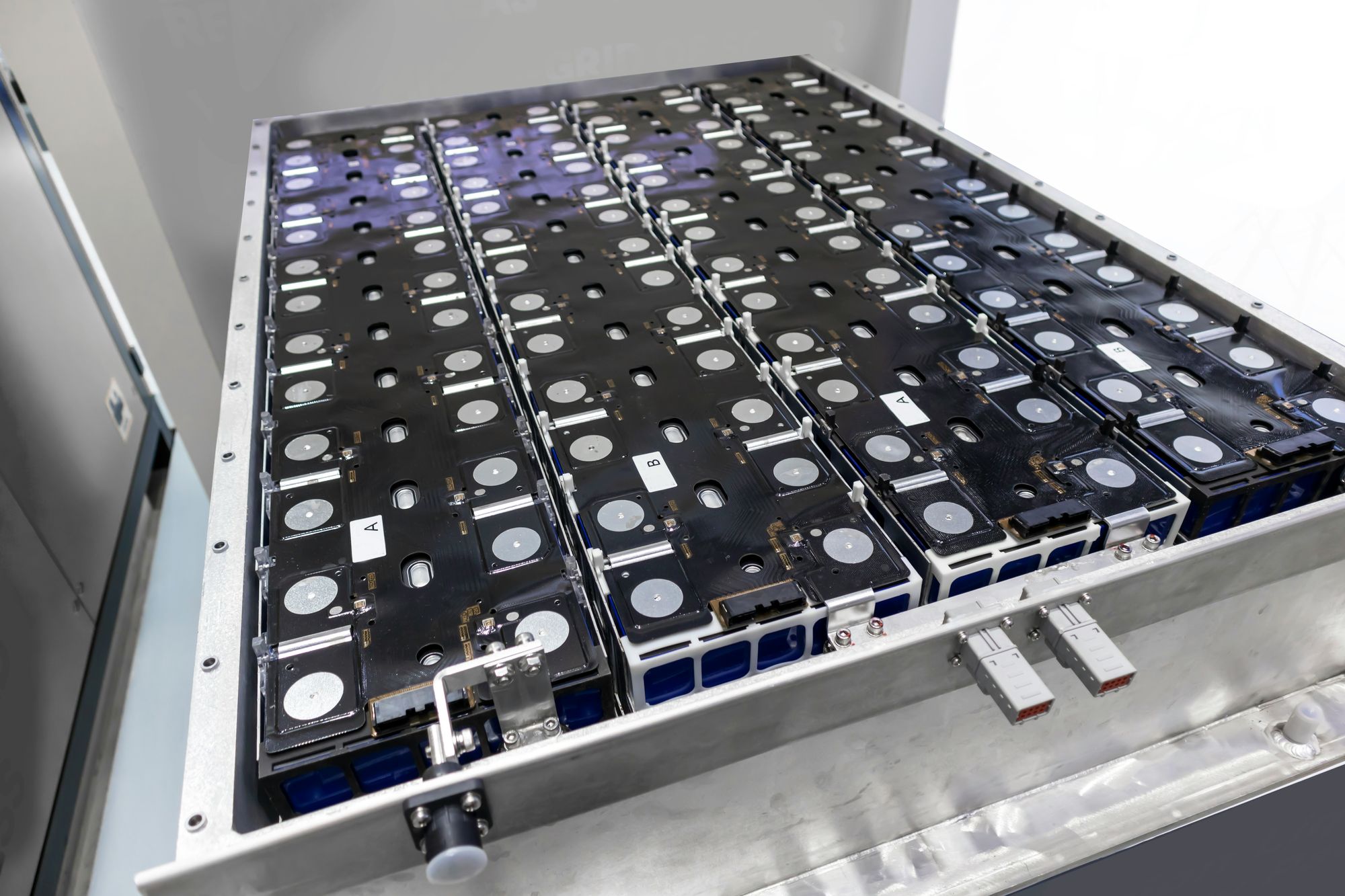
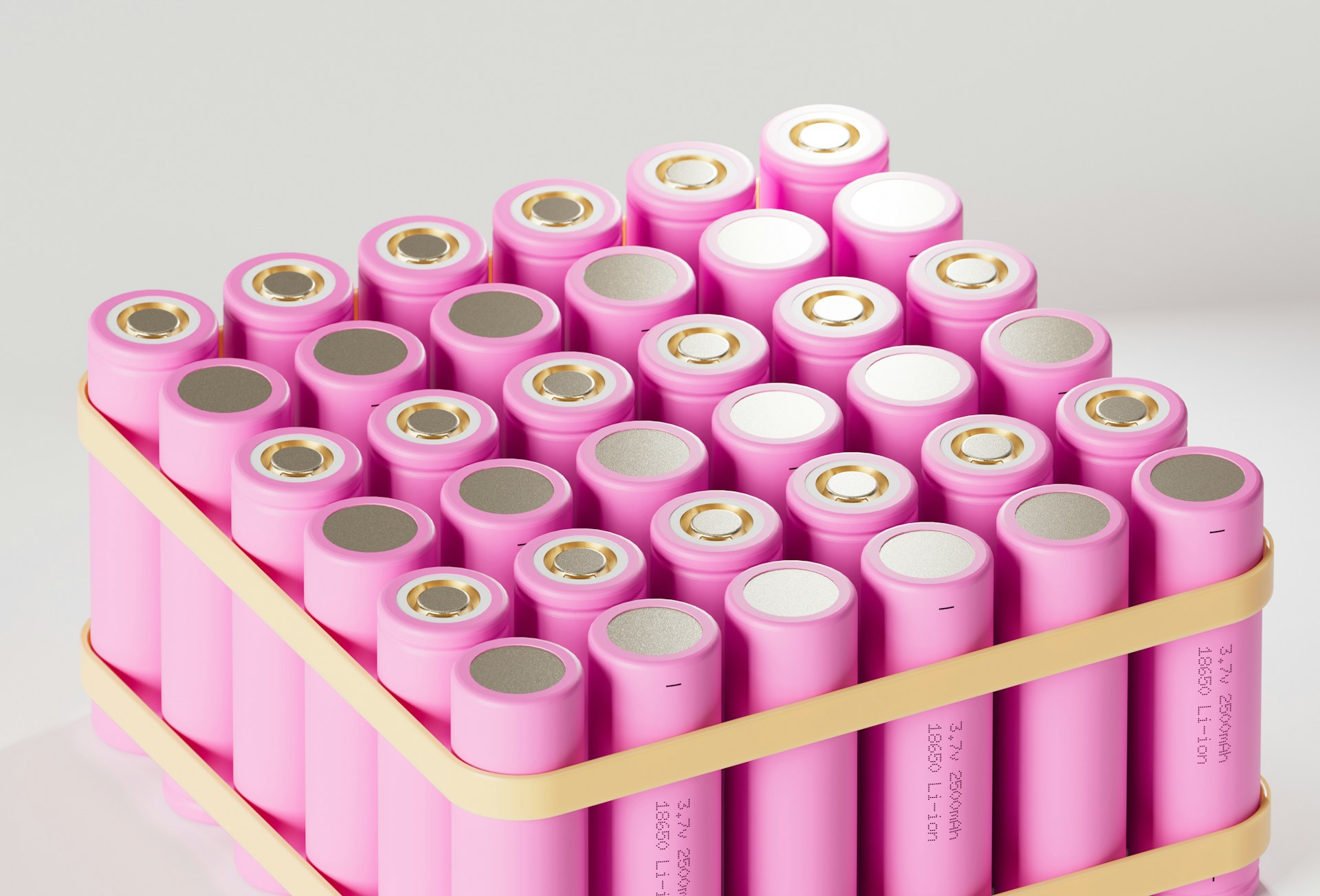
Betavolt's BV100 nuclear battery delivers 100 microwatts continuously for 50 years from a Nickel-63 betavoltaic cell the size of a coin — with a Carbon-14 diamond battery targeting 100 years already in development at Northwest Normal University. The technology does not compete with lithium-ion for consumer electronics; it eliminates the power problem entirely for the specific systems where recharging is impossible or clinically unacceptable.

Read the note
· Research · 15 min read

Quantum sensors and the precision revolution that GPS denial is accelerating

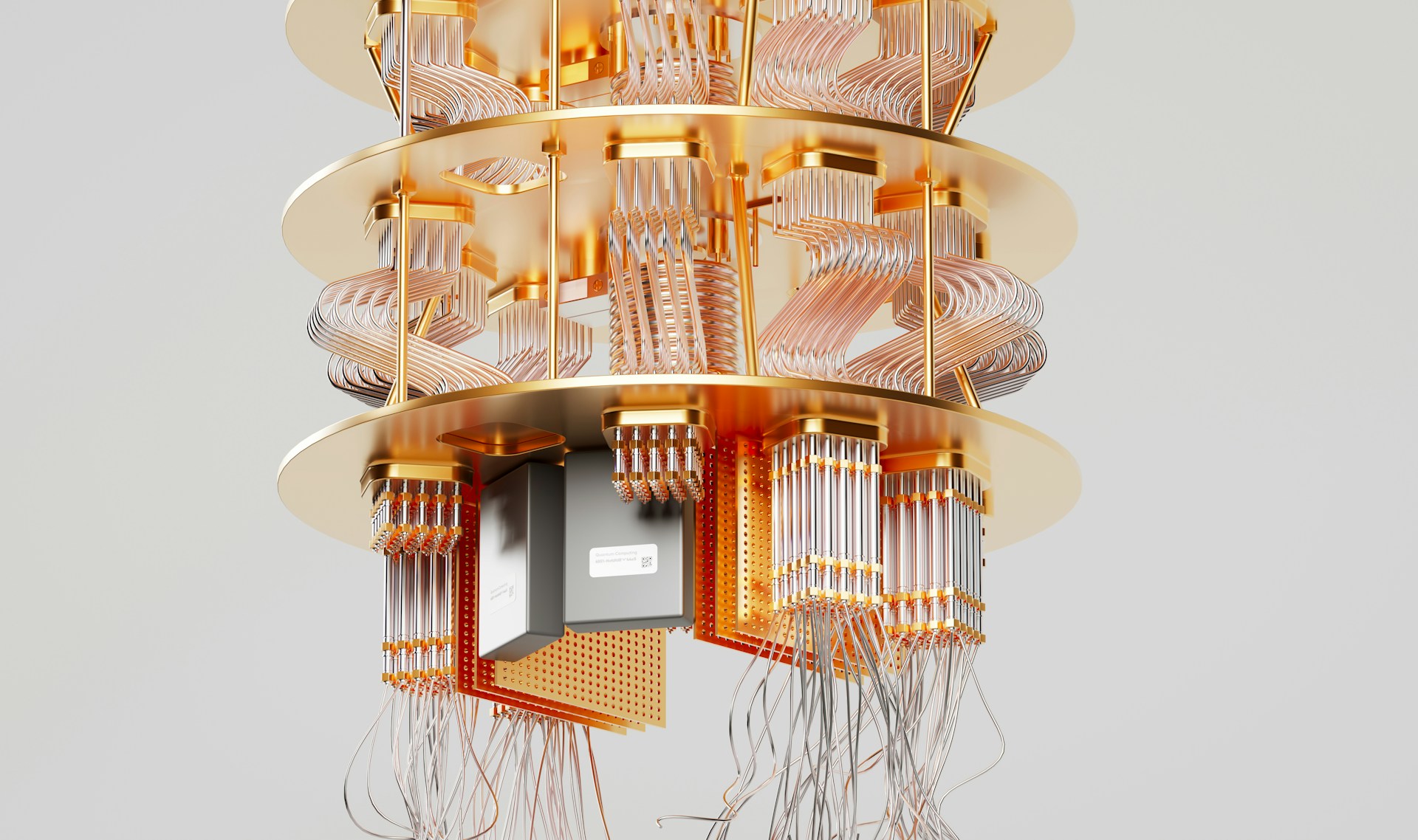
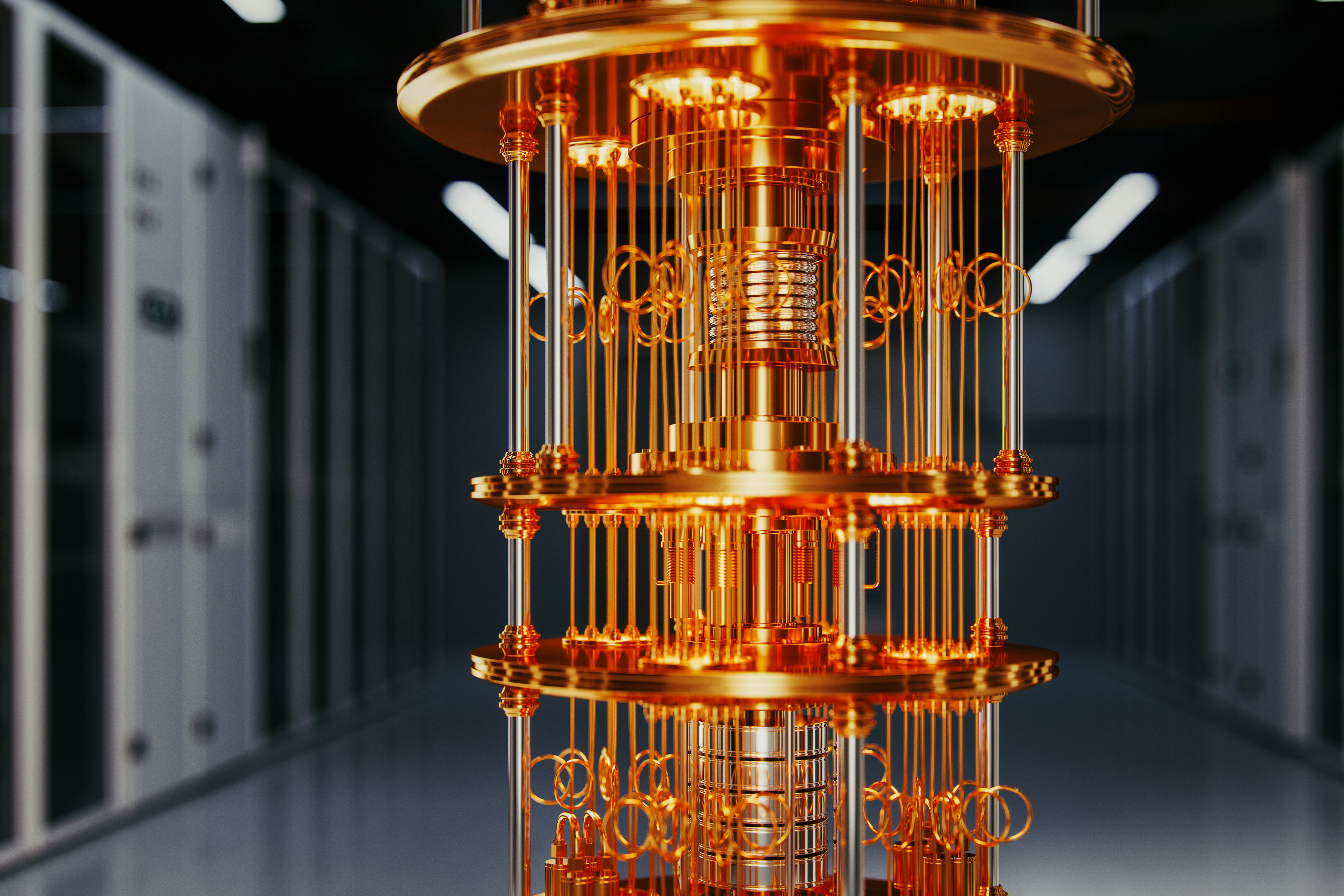
Quantum sensors exploit atomic interference, quantum magnetometry, and optical clocks to achieve measurement precision that no classical instrument can reach at any engineering refinement. The GPS-independent inertial navigation case is real and advancing — but the timeline from defence prototype to civilian GPS replacement is governed by miniaturisation challenges that are decades from resolution, not years.

Read the note
· Research · 14 min read

The four aircraft design vectors competing to define aviation's next era

Commercial aviation is pursuing four simultaneous design transformations — propulsion, aerodynamics, urban mobility, and supersonic — each at a different maturity level and constrained by a different combination of physics, certification timelines, and infrastructure that does not yet exist. The firm maps which architectures have credible paths to production scale and which are still waiting for the ecosystem required to support them.

Read the note
· Strategy · 15 min read

Britain's £1.1 billion compute wager and the sovereign silicon question

The UK has committed £1.1 billion to a national AI supercomputer and domestic chip development — a programme that correctly identifies compute access as the primary bottleneck for UK AI capability and makes a credible investment in closing it. What it cannot do, and what no programme at this capital level can do, is resolve the dependency on East Asian fabrication that sits beneath every sovereign compute strategy in the world, including those of the United States.

Read the note
· Research · 14 min read

AI seismology and the hidden earthquake catalog of Alaska's subduction zone

A machine-learning analysis has identified approximately 1,750 previously undetected earthquakes along a 155-mile boundary of the Alaska subduction zone — events that were recorded by seismographs but invisible to conventional detection algorithms. The finding is more than a catalog expansion: it is a demonstration that the seismic record on which probabilistic hazard models depend is systematically missing the small events that most precisely define fault geometry and stress accumulation, and that AI is now making that record visible.

Read the note
· Research · 14 min read

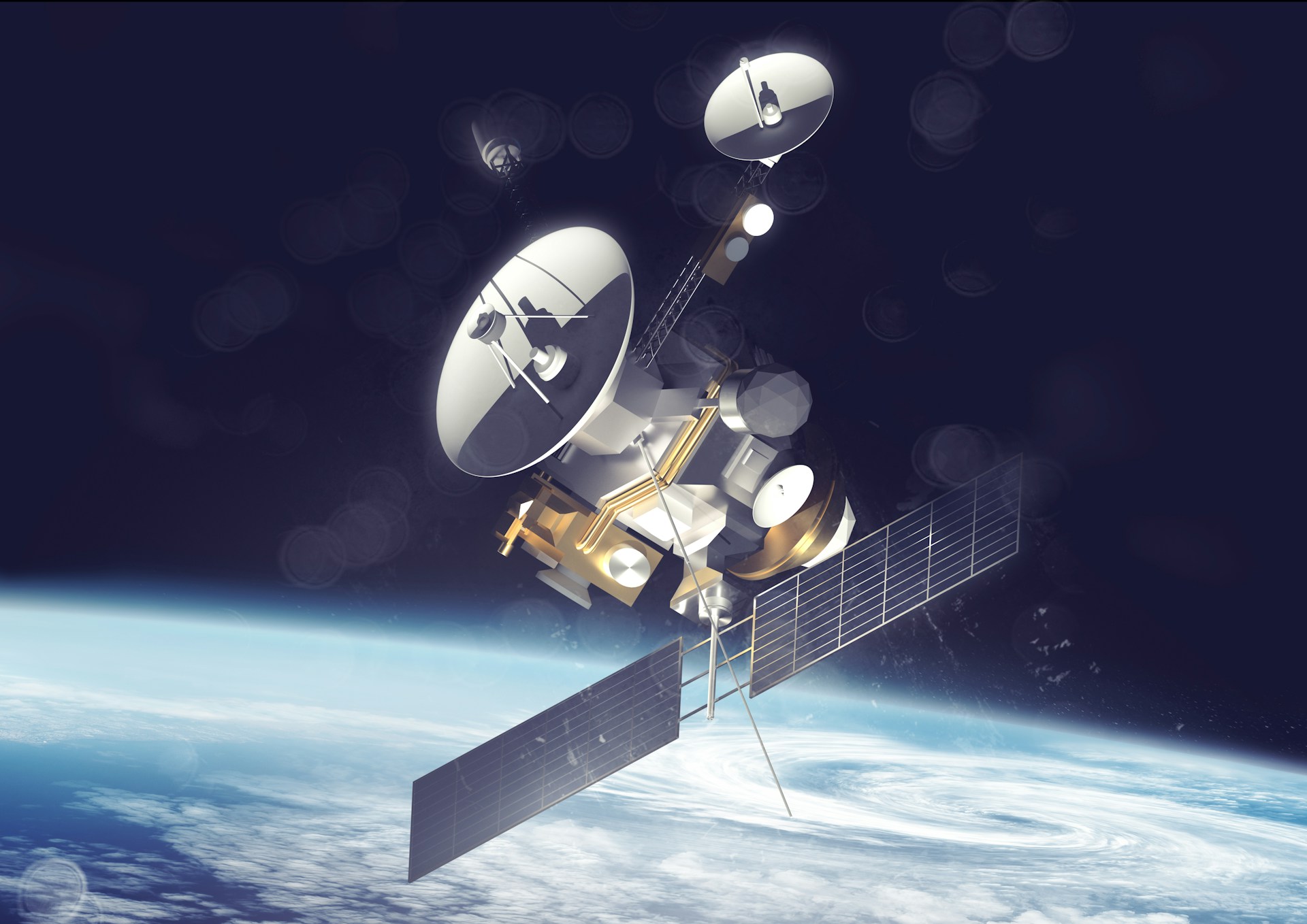
Satellite optical links and the case for abandoning crowded radio spectrum

Irish startup Pilot Photonics has secured a €1 million ESA contract to develop laser-based communication terminals for next-generation satellites — technology that transmits data as light rather than radio waves and operates entirely outside the ITU spectrum licensing framework. The award is a directional signal: as radio frequency congestion becomes the defining constraint on LEO satellite constellation growth, optical links are moving from demonstration technology to funded commercial programme.

Read the note
· Human Innovation · 14 min read

NAVEE's wing-in-ground craft and the consumer case for low-altitude water mobility

Chinese startup NAVEE has entered the low-altitude mobility market with what it calls the world's first consumer wing-in-ground effect craft — a vehicle that rides the aerodynamic pressure cushion between its wing and the water surface at 53 mph, without climbing to conventional flight altitude. The physics were demonstrated by Soviet engineers at warship scale in the 1960s. NAVEE has compressed them into a consumer product, and the firm reads the launch as a directional signal about where China's low-altitude economy strategy is generating its most commercially novel bets.

Read the note
· Research · 13 min read

The stretchable cardiac patch and the case for edge intelligence in medical devices

Researchers have demonstrated a stretchable computing patch that detects fatal cardiac arrhythmias entirely on-body — processing heart rhythm data within milliseconds, without cloud servers or network connectivity. The firm's framework reads this as more than a device innovation: it is an architectural signal that on-device edge inference is becoming clinically viable for time-critical medical applications where cloud latency is not an engineering inconvenience but a patient outcome variable.

Read the note
· Markets · 13 min read

Bombardier's Global 8000 and what a transatlantic speed record actually proves

Bombardier's Global 8000 has set a transatlantic speed record — Montreal to Nice in just over six hours at Mach 0.94, the highest certified cruise speed of any business jet in current production. The firm's framework reads the result as a deliberate competitive positioning act in a market where three manufacturers are separated by less than 10% on every headline specification, and where the marginal buyer's decision turns on brand conviction rather than raw performance arithmetic.

Read the note
· Research · 13 min read

South Korea's multi-function transistor and the case for architectural reinvention

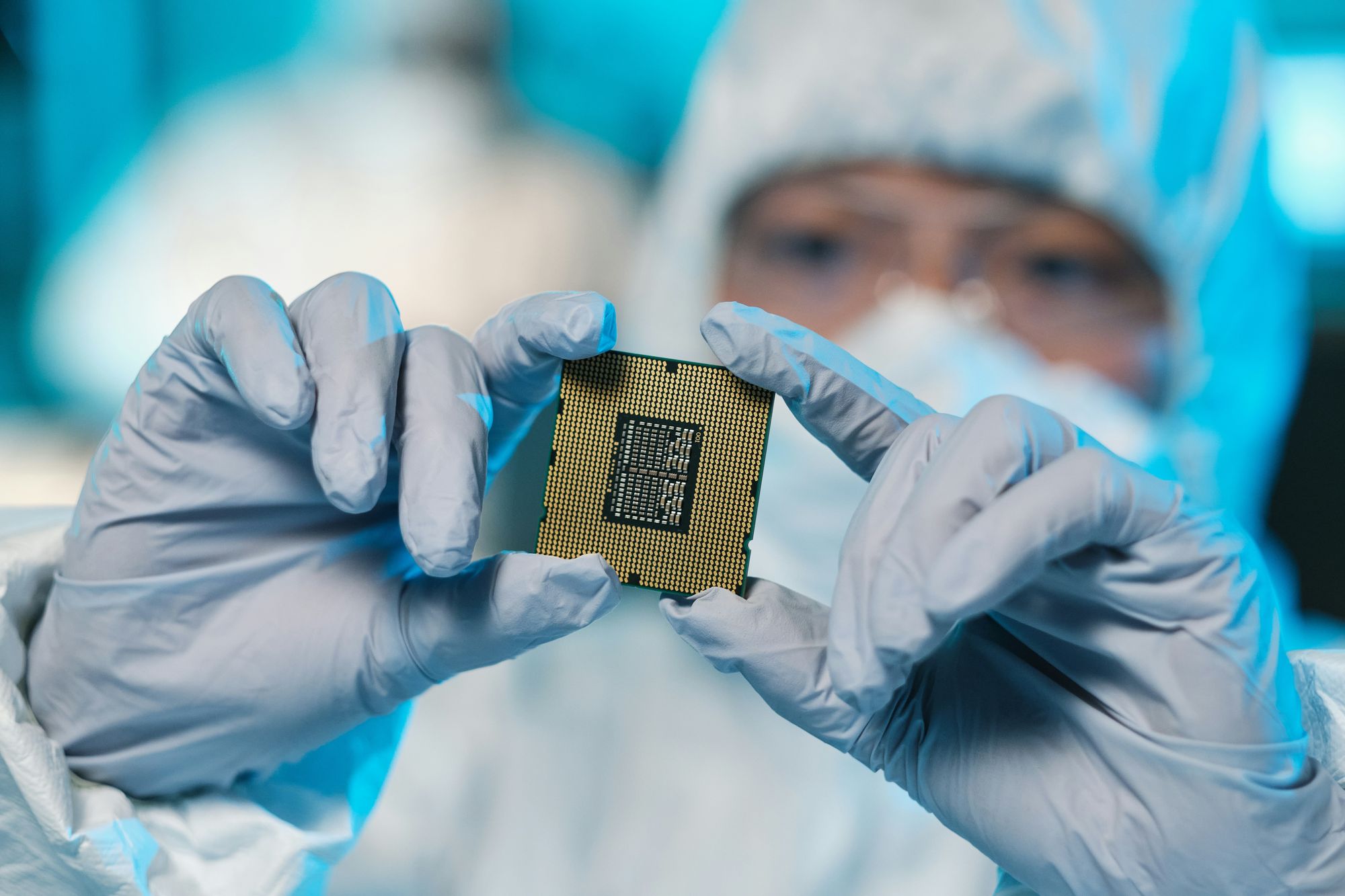
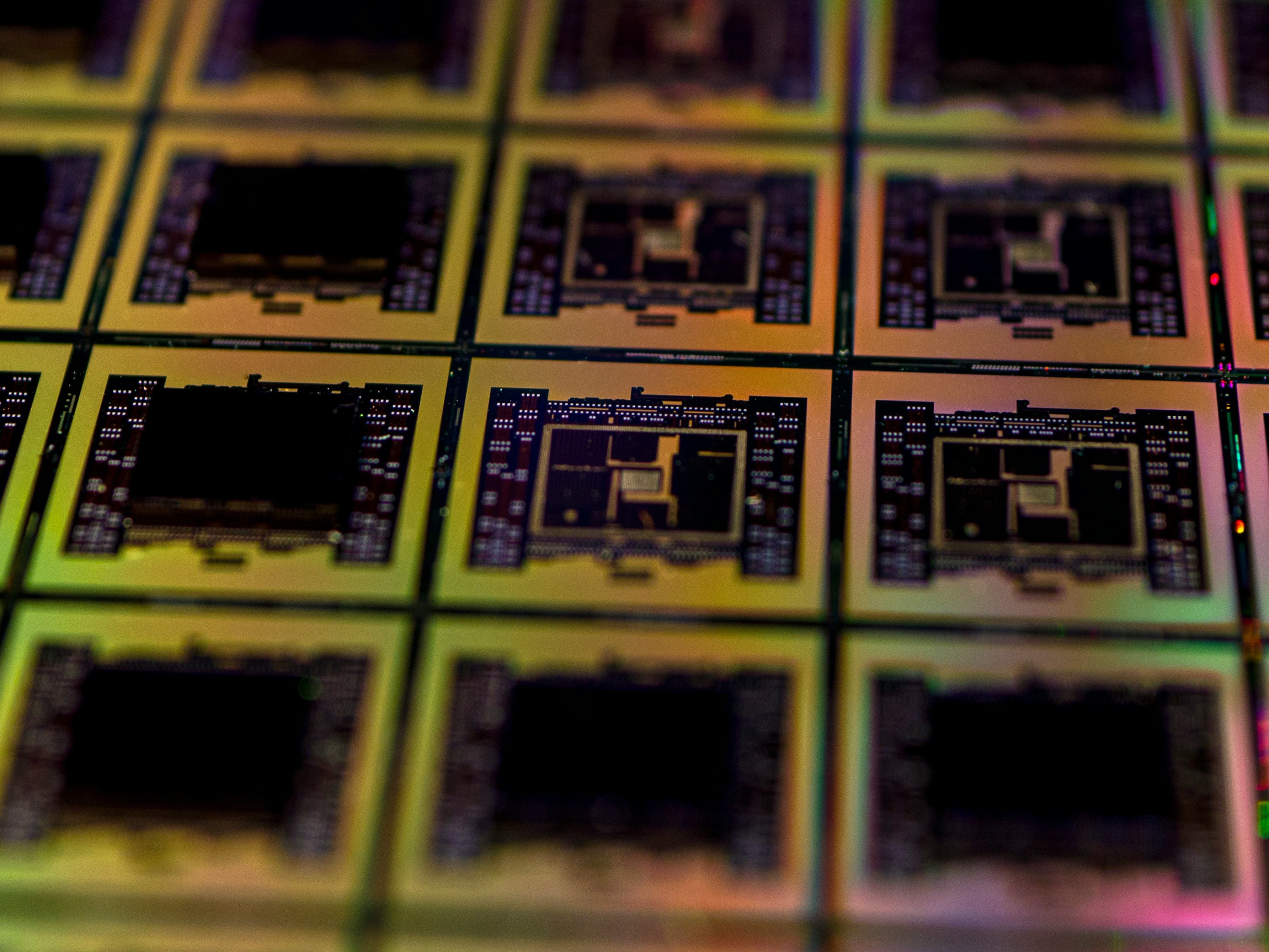
South Korean researchers have demonstrated a reconfigurable transistor that performs multiple circuit functions from a single device — reporting a fourfold improvement in data processing speed against conventional designs. The finding is not an incremental process node advance: it is an architectural claim that functional consolidation at the transistor level is the next durable performance lever for computing infrastructure, with direct implications for AI chip economics and the post-2nm roadmap.

Read the note
· Operations · 13 min read

OUTLAY: the spend diagnostic that turns invoice opacity into board-ready savings opportunities

Lualdi Advisors has launched OUTLAY, an enterprise spend diagnostic that classifies purchasing data into a defensible taxonomy and surfaces the six patterns through which large organizations systematically overpay. The output is a board-ready executive brief — confidence-bounded, line-item traceable, and delivered in days rather than quarters. We examine the structural problem OUTLAY addresses, the methodology behind it, and the framework for understanding where recoverable margin concentrates in a large spend base.

Read the note
· Markets · 13 min read

FSS probes Mirae Asset's SpaceX IPO sales: suitability, FX risk, and the retail pipeline

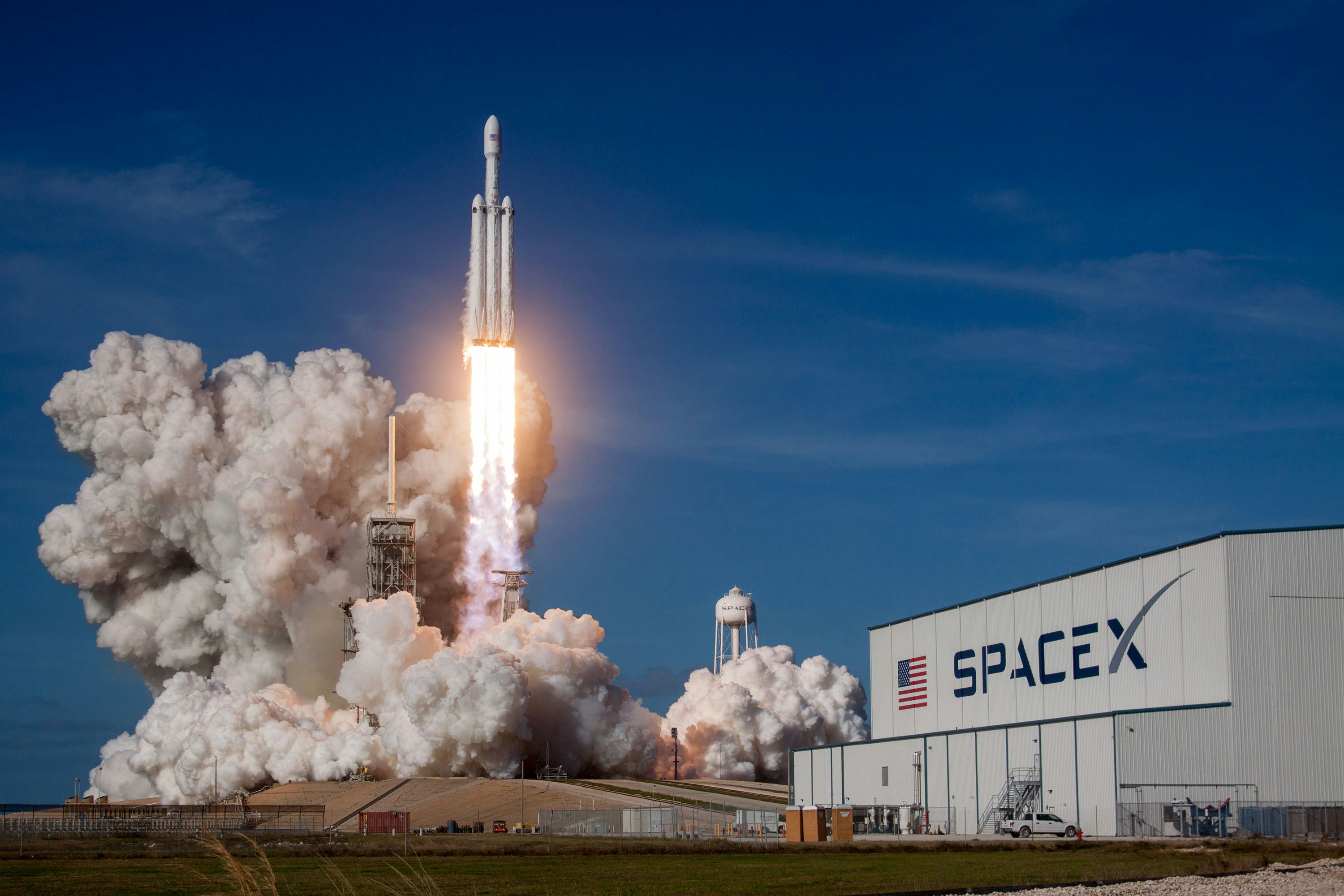
South Korea's Financial Supervisory Service has launched a probe into Mirae Asset Securities over its sales of SpaceX IPO-linked products to retail investors. The two alleged failures — undisclosed currency risk and improper investor classification — expose the structural architecture of how private company exposure is packaged and distributed across borders to buyers for whom it was not designed. We examine the product mechanics, the regulatory gap, and the systemic pattern the probe reveals.

Read the note
· Markets · 13 min read

S&P Global's fast-entry proposal: index mechanics, forced buying, and the SpaceX question

S&P Global has kept its fast-entry S&P 500 inclusion proposal unchanged even as SpaceX's potential listing makes the stakes concrete. The proposal would compress the moment of mandatory buying by $10 trillion in benchmarked AUM toward the IPO date — the moment of maximum information asymmetry between inside sellers and public buyers. We examine the index mechanics, the forced-buying calculus, and the structural implications for passive investing at scale.

Read the note
· Markets · 13 min read

Bitcoin's 50% collapse: stress-testing the inflation hedge and digital gold theses

Bitcoin collapsed more than 50% from its October 2025 peak while inflation remained above the Fed's target and gold advanced 64%. The inflation hedge and digital gold theses were tested simultaneously against exactly the conditions under which they were supposed to perform — and both failed. We examine the empirical verdict, the liquidity-proxy reclassification, and what the falsification means for institutional portfolio construction.

Read the note
· Research · 12 min read

Earth Copilot: Microsoft, NASA, and the query layer for planetary intelligence

Microsoft and NASA have built Earth Copilot, a natural language interface over more than 100 petabytes of satellite Earth science data. The tool is a prototype — but the thesis is structural: competitive advantage in geospatial intelligence is migrating from data ownership to query capability. We examine the architecture, the access gap it closes, and the downstream markets that will be reshaped when planetary data becomes conversationally queryable.

Read the note
· Markets · 13 min read

Alphabet's $80 billion bet: equity, Buffett, and the cost of winning AI infrastructure

Alphabet is raising $80 billion in equity, anchored by a landmark $10 billion Berkshire Hathaway private placement, to fund the AI infrastructure arms race. When Buffett's firm commits at this scale to a technology capital programme, it is repricing the entire category from speculative tech to durable infrastructure. We examine the financing logic, the dilution calculus, and what the capital actually builds.

Read the note
· Research · 13 min read

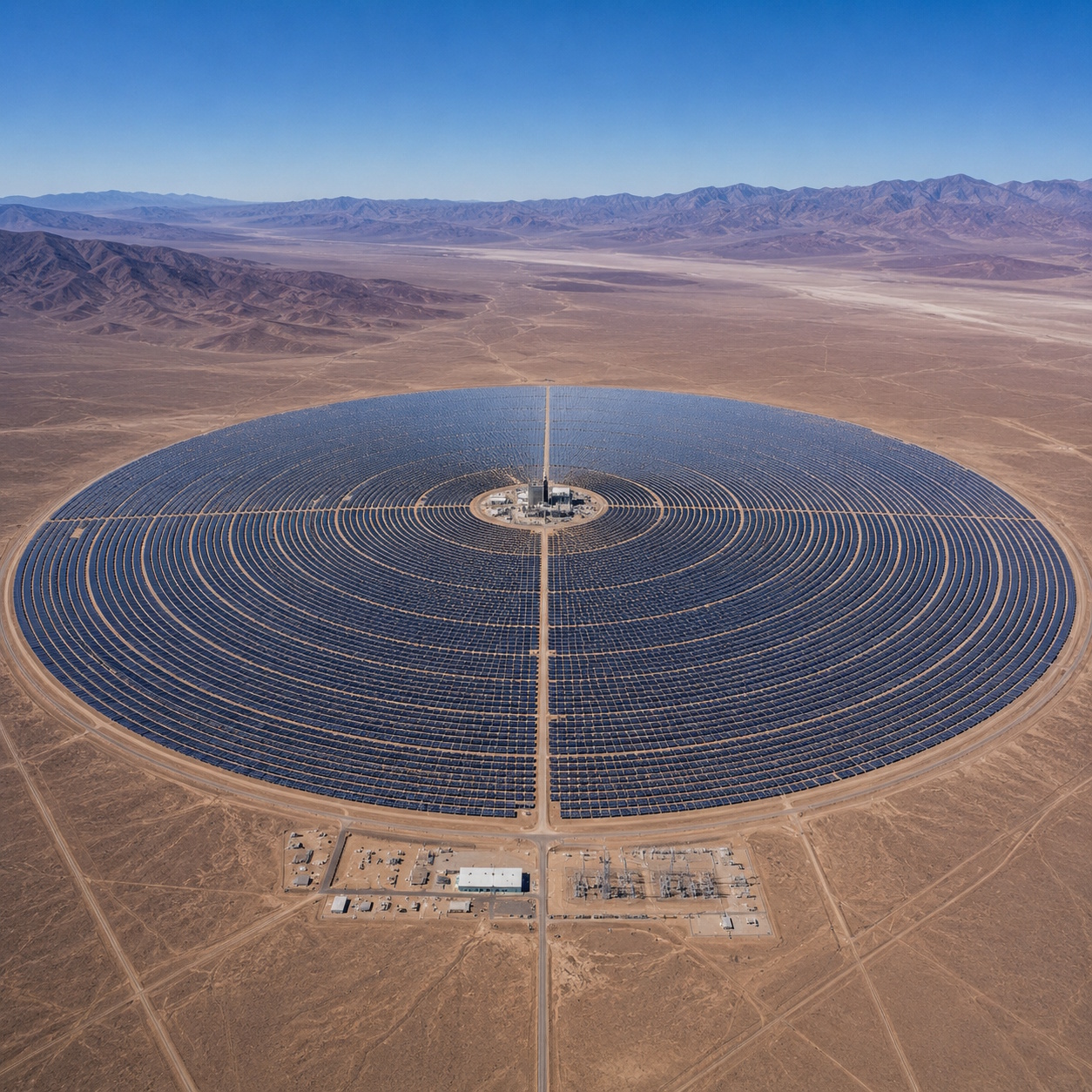
The Atacama equation: when the world's best solar meets its most critical mine

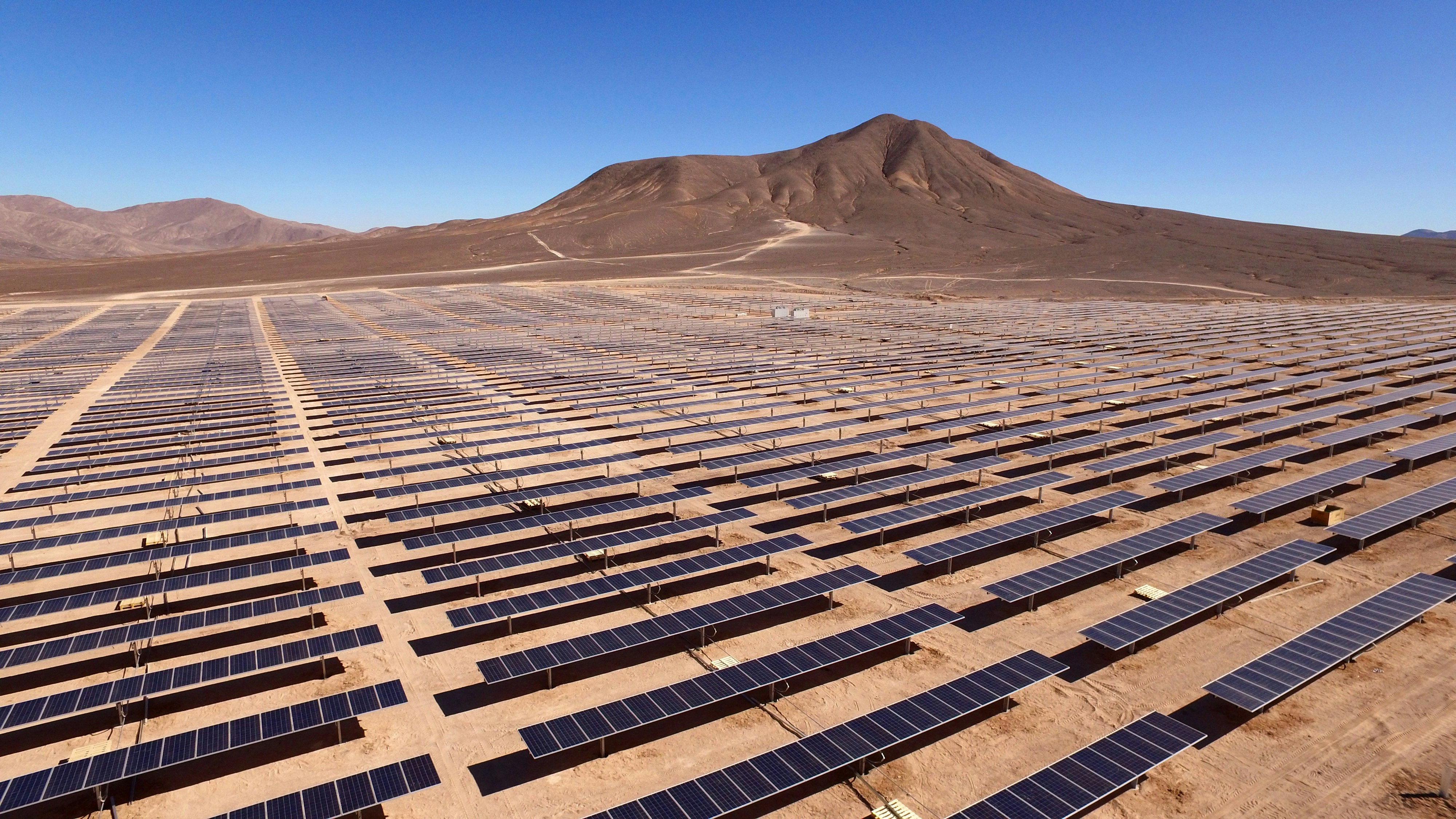
The Atacama Desert holds the planet's highest solar irradiance and its richest copper geology in the same coordinates. The metal most needed to build the energy transition can now be produced with the energy the transition generates — in the same desert. We examine the irradiance physics, the green copper premium thesis, and the 24/7 storage challenge that stands between the solar resource and full industrial decarbonisation.

Read the note
· Research · 13 min read

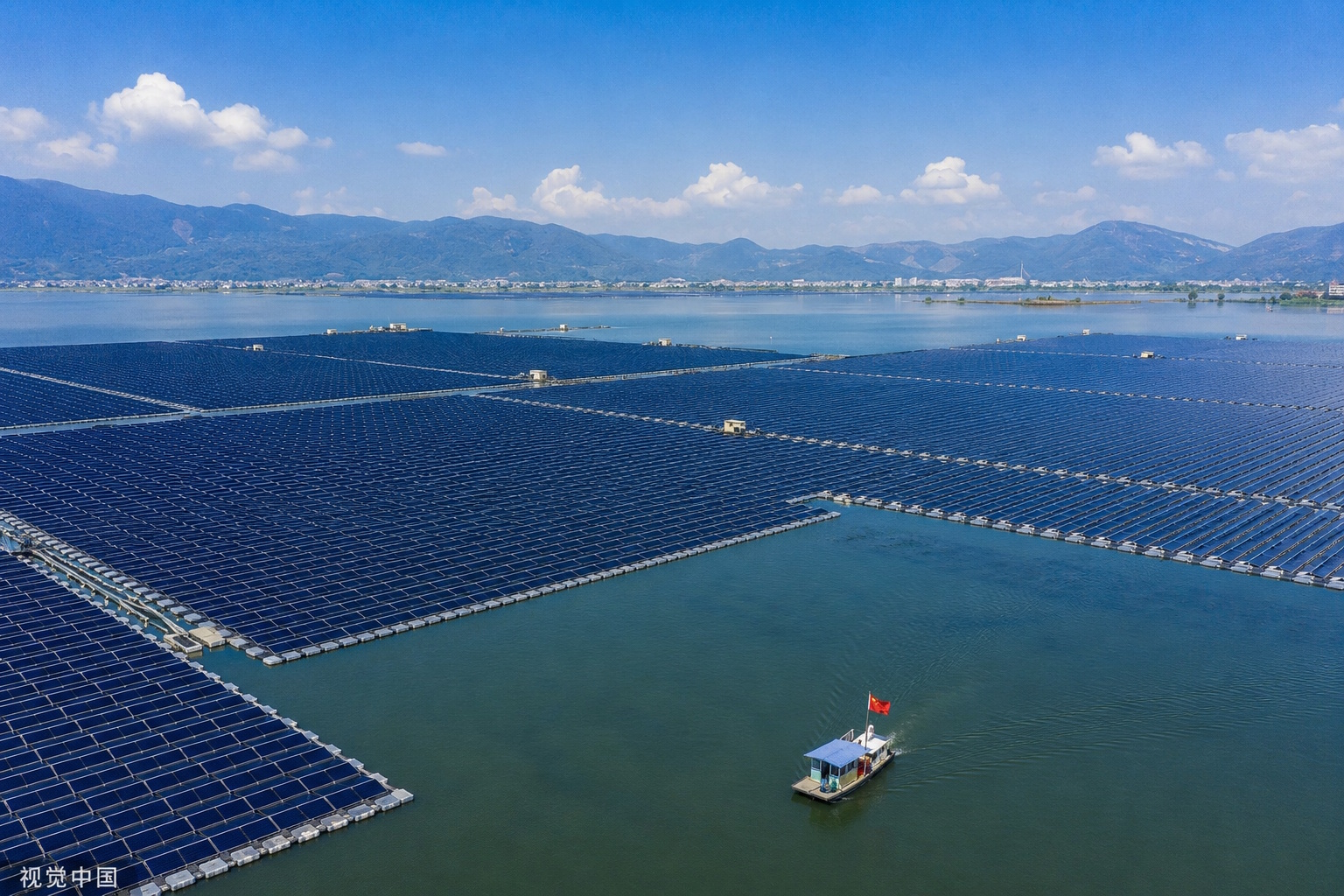
From coal scar to solar farm: the floating PV model rewriting stranded land

A 140-hectare lake formed by coal-mining subsidence in Anhui Province now hosts 70 megawatts of floating solar capacity, in a joint venture between CECEP and French platform pioneer Ciel et Terre. The site's former use is not incidental — it is structurally ideal. We read this as proof of concept for a category-level thesis: China's flooded mining scars as a latent clean energy pipeline.

Read the note
· Research · 12 min read

Canada's quantum repeater challenge: building the internet's next layer

Canada has issued a $5.55 million challenge against the single most stubborn bottleneck on the path to a quantum internet: the repeater. The demand-pull mechanism of Innovative Solutions Canada is, in our framework, the correct instrument for a technology at this precise maturity level — past the physically-impossible gate, not yet at the reliably-deployable gate.

Read the note
· Markets · 11 min read

Quantum's CHIPS moment: when Washington and retail pick different winners

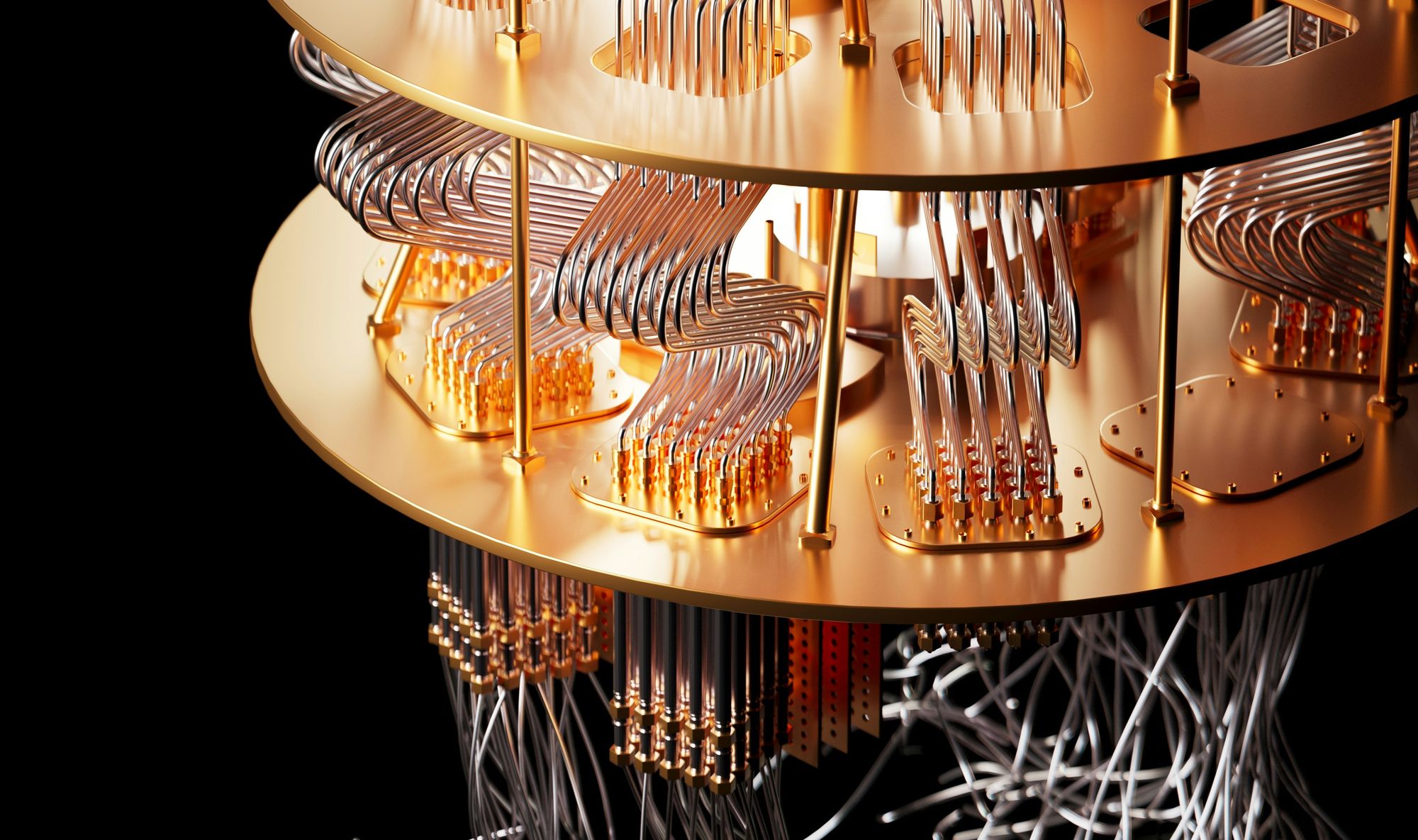
The Trump administration's $2 billion quantum allocation under the CHIPS and Science Act illuminates a fundamental divergence between government manufacturing logic and retail architecture preference. IBM claims half the envelope for a quantum foundry; IonQ, the retail community's most bullish pick, received zero federal funding. We read the gap not as contradiction but as timeline arbitrage.

Read the note
· Research · 15 min read

What if you could make a desert bloom in seven hours?

A Norwegian startup — Desert Control (OSE: DSRT) — has developed Liquid Nanoclay: a sprayable suspension of 1.5-nanometre clay particles that transforms barren sandy soil into nutrient-retaining farmland in seven hours, applied through conventional irrigation infrastructure. 416% wheat-yield uplift in Egyptian trials, 77% less irrigation water in MENA aggregate data, commercial deployments live in California, Arizona, and the Middle East. A research note on the science, the field evidence, and the commercial state of play at the company turning a centuries-old soil insight into an industrial technology.

Read the note
· Research · 14 min read

The electrolyser that feeds on seawater and produces green hydrogen and drinking water at the same time

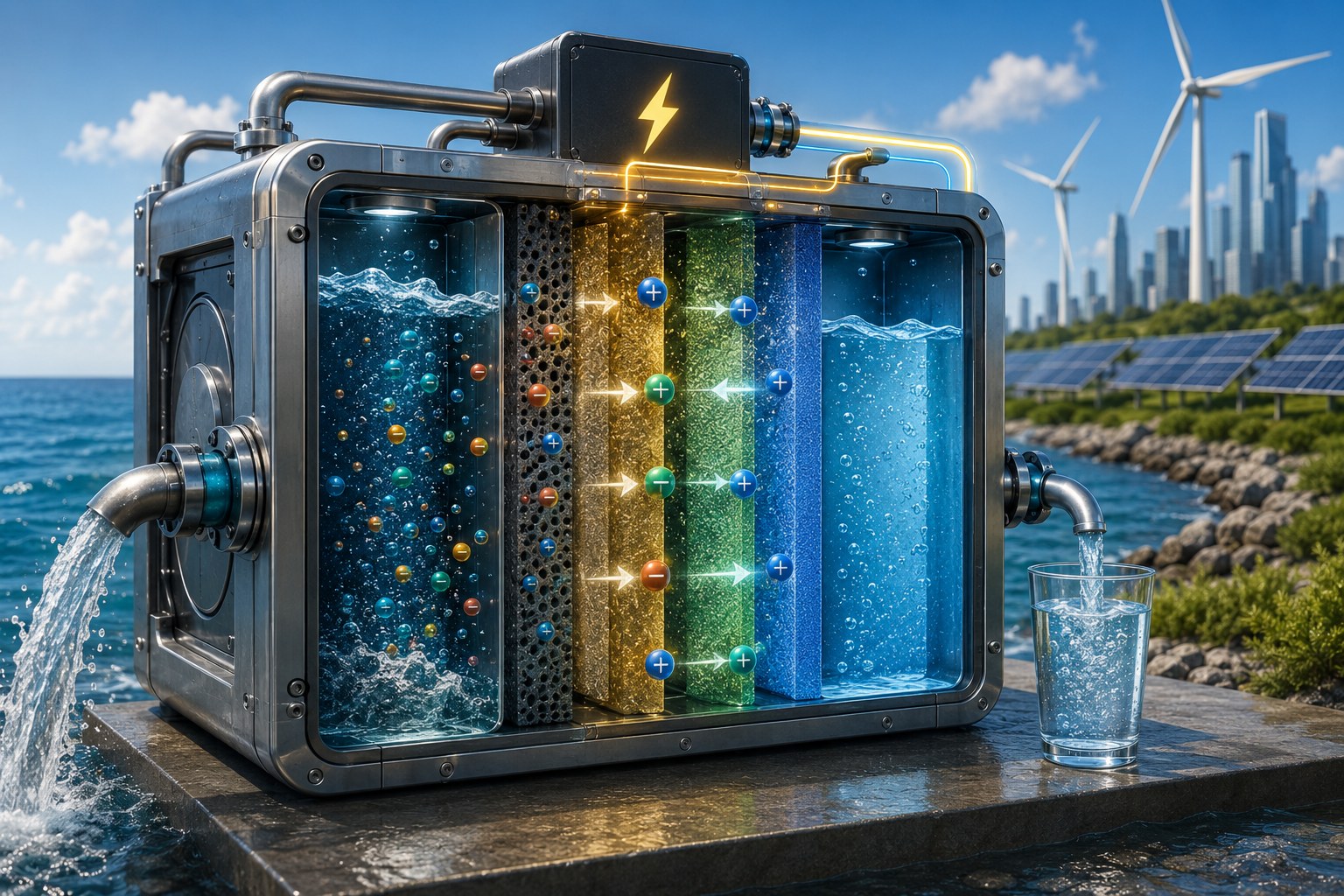
NTU Singapore's three-chamber porous-solid-electrolyte reactor — published in Nature Sustainability — takes raw seawater as its only input and splits it into green hydrogen and potable freshwater simultaneously. ~100% coupling factor, 360 hours continuous operation, dual-revenue project economics for coastal renewables.

Read the note
· Human Innovation · 12 min read

How a teenager built a dialysis machine for the price of a phone

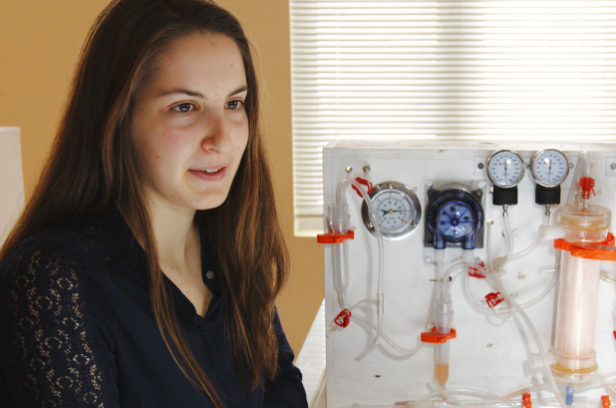
Anya Pogharian built a fully functional dialysis machine — the HemoAccess prototype — in her kitchen for roughly $500. Off-the-shelf parts, open-source software, less than the cost of a smartphone. Designed to reach the 2.3 million kidney-failure patients worldwide who currently have no access to treatment.

Read the note
· Research · 19 min read

The missing layer: graphene's commercial moment

Twenty years from Nobel to revenue. The $1.7bn → $9.3bn market trajectory, three distinct investor pathways, the due-diligence framework that separates real companies from R&D fundraising cycles, and the risks that can still stall the arc.

Read the note
· Research · 19 min read

The ocean unlocked: Dubai's solar desalination breakthrough

Dubai's Hassyan plant — 818,000 m³/day for two million people, powered entirely by the world's cheapest electricity at €848M. The engineering, the IPP architecture, the world-record 1.6¢/kWh LCOE, and the replication thesis for MENA, Africa, Asia, the Mediterranean.

Read the note
· Research · 19 min read

Reading between the genes: when AI cracks the 98%

Google DeepMind's AlphaGenome — published in Nature in January 2026 — has just learned to read the 98% of human DNA that doesn't code for proteins. What changes for drug discovery, rare-disease diagnosis, cancer stratification, and gene therapy.

Read the note
· Research · 22 min read

From prototype to production line: the humanoid robot arrives

A vertically integrated humanoid robot factory in Hayward, California, opened in April 2026 — sold out 10,000 units in five days, targets 100,000 by end of 2027. NEO's 22-DoF hands, dual pricing, the iteration-speed case for vertical integration, and the robot-flywheel economics.

Read the note
· Research · 19 min read

Gravity returns: the repricing of physical capital

After a decade of rewarding the weightless, markets are rediscovering what cannot be downloaded, replicated overnight, or disrupted by a better algorithm. Introduces the MASS framework and the Physical Intensity Score.

Read the note
· Research · 18 min read

The paradox export: China's green energy reckoning

The same energy shock that clouds China's near-term export outlook is accelerating the global shift that will define its long-term trade advantage — solar, batteries, EVs. The "New Three" surged 70% YoY in March 2026.

Read the note
· Research · 18 min read

Light speed: optical networking as AI's next frontier

Networking is no longer AI infrastructure's supporting act — it is becoming the central constraint, and the central opportunity. From $15bn to $154bn TAM across the build-out cycle, driven by co-packaged optics and silicon photonics.

Read the note
· Research · 16 min read

Crisis as catalyst: Europe's electrification imperative

A second energy shock is compelling Europe to accelerate its transition. ~€3.5 trillion in electrification investment through 2035, with grid capex roughly doubling — and a sharp power-price divergence widening between renewables-rich markets and gas-dependent ones.

Read the note
· Research · 15 min read

Mapping the machine: what drives the AI build-out?

A scenario framework for sizing the assumptions — and risks — behind trillions in AI infrastructure capital. Four supply-side variables most determine the scale of the build-out, with sensitivity tables and a baseline running to ~$7.6 trillion through 2031.

Read the note
//Engagement

Want the firm's view on a specific problem?
Open a conversation.

Engagement by introduction or referral · Response within two business days

Open a Conversation